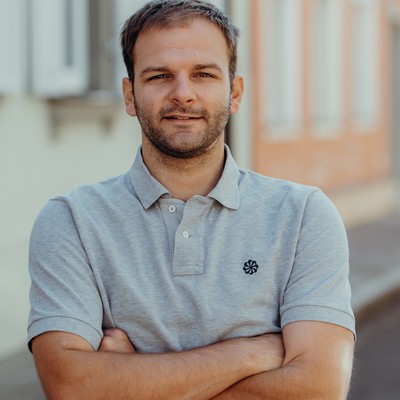
Dr. Benedikt Meixner
Sports Science & Exercise Physiology
About
Education
- PhD, Sport Science
University of Wuerzburg
2025 - State Exam, Sport Science
University of Erlangen
2019 - MA German as Foreign Language
University of Bamberg
2017 - State Exam, English & Geography
University of Bamberg
2015
Research interests
- Exercise physiology & human performance
- Bioenergetics of exercise
- Lactate dynamics & glycolytic metabolism
- Concepts of performance limitation
- Modelling of sport performance
- Sex differences, body composition & scaling
- Sport pedagogy & teacher education
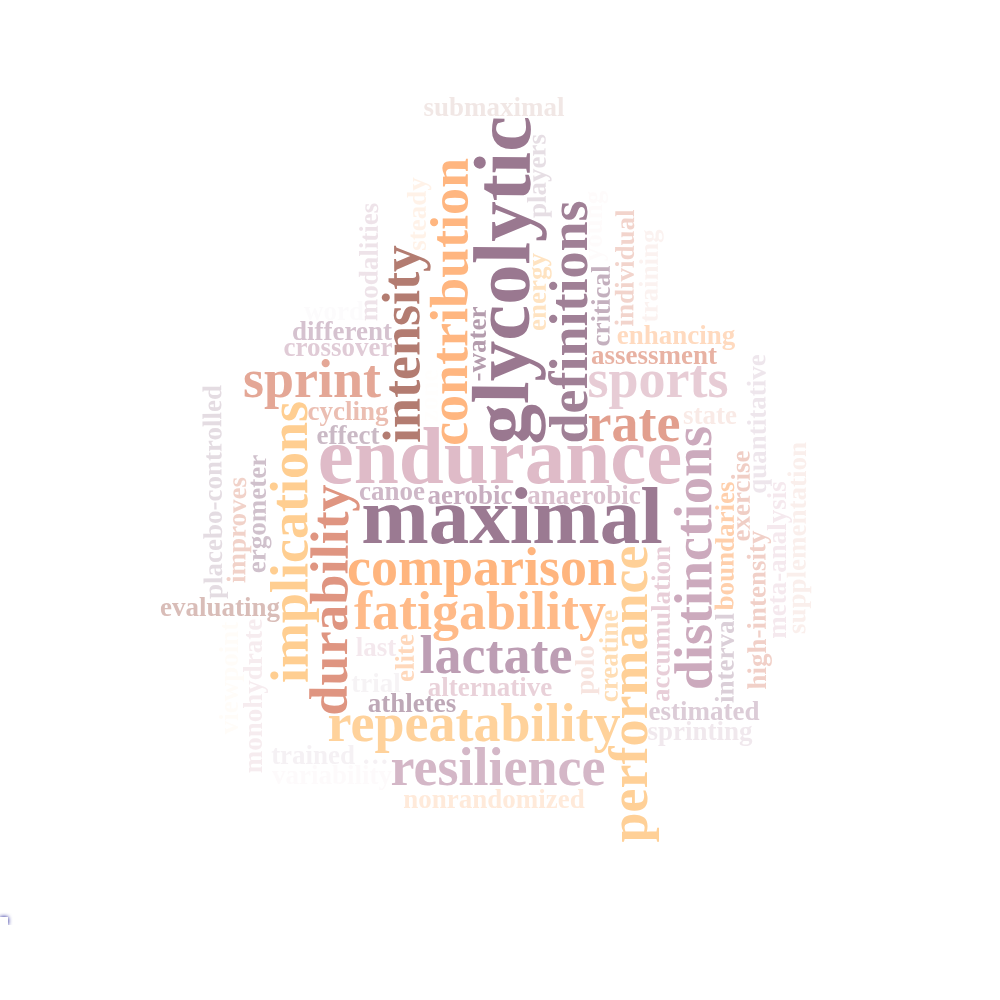
Exercise physiology & human performance
My work examines the physiological factors that shape human performance across sprint and endurance contexts. I am particularly interested in how metabolic, cardiopulmonary, muscular, and contextual factors interact to determine what athletes can produce, sustain, and repeat.
Performance modelling & concepts of limitation
I study how performance emerges from the interaction of physiology, environment, pacing, equipment, competition, and sport-specific demands. This includes a conceptual focus on how constructs such as durability, fatigability, fatigue resistance, repeatability, and resilience are defined and applied across sports. Rather than assuming one universal model of performance, I am interested in models that respect the specific demands of different sports, disciplines, and competitive contexts.
Exercise bioenergetics, lactate & glycolytic metabolism
A central part of my research focuses on the bioenergetics of exercise, especially lactate dynamics and glycolytic metabolism. I study how sprint-derived indices such as vLamax and vLapeak can be defined, measured, and interpreted, and how they relate to metabolic thresholds, aerobic capacity, and performance.
Sex differences, body composition & scaling
I am interested in how sex differences, body composition, and scaling approaches shape the interpretation of physiological and performance data. This includes questions about when variables should be expressed relative to body mass, fat-free mass, or alternative scaling models, and how these decisions influence comparisons between athletes, groups, and sexes.
Featured Publications
Shows that maximal glycolytic flux (vLamax) shifts metabolic thresholds independently of VO₂max, challenging threshold models that focus solely on aerobic capacity and supporting a two-system framework for endurance performance.
Demonstrates that reported sex differences in exercise intensity determination could reflect protocol choices (ramp rate, mode, criteria) rather than true biological differences, urging methodological standardisation in threshold research.
Proposes and distinguishes four related but separable performance concepts — durability, fatigability, repeatability, and resilience — providing a conceptual framework and practical implications for endurance training and racing.
Compares individual variability across common Zone 2 intensity definitions (lactate threshold, ventilatory threshold, fat oxidation peak, etc.) in trained athletes, showing that the boundaries vary substantially depending on which criterion is used.
Examines how peak capillary lactate accumulation and body composition jointly determine the mechanical energy equivalent of lactate (EqLa) during maximal sprint cycling, with implications for estimating vLamax from sprint tests.
Recent Publications
I teach in sport and movement science at FAU Erlangen-Nürnberg, with a focus on Lehramt Sport (PE teacher training). There, I focus on Basketball and try to share my love for the game. I also teach other subjects, most notably small games and how they’re used for understanding rules.
My research associate position includes a university statistics course built around a flipped-classroom model, and an ongoing interest in how AI tools — used thoughtfully — can support both PE teaching and the way students learn to work with data.
Outreach
Practical training tips based on our durability and fatigability research, covering long runs, strength work, plyometrics, pacing, carbohydrate loading, and other factors shaping late-race performance.
Feature on our research into physiological resilience — how the ability to maintain performance late in a race distinguishes elite marathon runners.
Ten evidence-based recommendations for a valid and reproducible vLamax test, drawing on my research and the 2025 systematic review by Langley et al.
Examining whether vLamax — the rate of lactate rise during short sprints — produces consistent results, and under which laboratory conditions it does.
Discussion on the limits of Zone 2 training and what it can and cannot achieve for endurance athletes.
Talk on the current state of knowledge in exercise physiology and future directions for research.
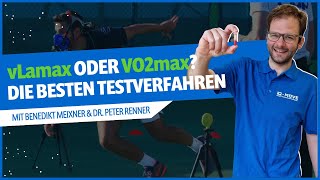
Comparing testing methods for vLamax and VO2max, with Dr. Peter Renner.
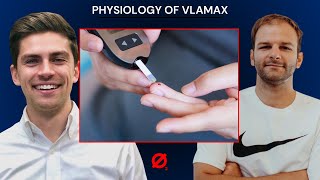
Deep dive into lactate physiology and vLamax as a measure of maximal glycolytic rate, and its role in endurance performance diagnostics.
The best way to reach me is by email — see the links at the top of this page for email and social/academic profiles (ORCID, ResearchGate, Bluesky).
I’m always happy to hear from potential collaborators, students, or journalists working on topics related to exercise physiology, performance diagnostics, or ball games and physical education.